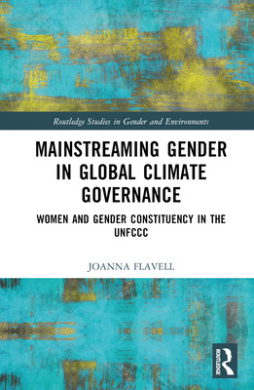
Description
Table of Contents List of Acronyms List of Tables List of Figures Acknowledgements 1 – Introduction Why `Gender and Climate Change? The UNFCCC as a Site of Inquiry Overview of the Book 2 – Enduring Debates in Feminist Climate Praxis Theorising Feminist Climate Activism Enduring Debates Dilemmas of Rhetorical Strategy Radical Outsiders versus Pragmatic Insiders Questions of Power Dynamics and Hierarchies The Activist – Academic Divide Conclusion 3 – Ecofeminist Intersectionality: Inquiry and Praxis Ecofeminist Intersectionality as Critical Inquiry Social Inequalities Intersecting power relations Contextuality Relationality Complexity Ecological Justice Transversal Politics as Ecofeminist Intersectional Praxis Solidarity Politics Epistemic Communities Flexible Dialogue Conclusion 4 – From Zero Gender to GAP: Foregrounding gender in UNFCCC history Phase 1: Zero Gender -1992 2007 Early Days: 1992 2002 Getting Organised: 2003 2005 Gaining Momentum: 2006 2007 Phase two: Mainstreaming Gender into the UNFCCC – 2007 – 2013 Getting Noticed: 2007 2009 Feminist Leadership: 2010 2013 Phase 3: Gender Action Plan – 2014 2021 Towards Implementation: 2014 2015 Extending the Lima Work Programme on Gender: 2016 The Gender Action Plan: 2017 – 2021 Conclusion 5 Political Strategies Mobilised by the Women and Gender Constituency Rhetorical Strategies Gender Equality and Empowerment of Women Universalising lived experience Equating Gender with Women Intersectionality in Baby Steps Procedural Strategies Identifying entry points for gender aspects into the climate change debate Raising awareness and disseminating information Building womens capacity and joint strategizing Developing a future research agenda Conclusion 6 Lessons for Ecofeminist Intersectional Praxis Lessons from the WGC for Intersectional Inquiry and Praxis Lesson One: There are No Easy Solutions Lesson Two: Prevalent domains of power have hindered intersectional praxis in the UNFCCC Lesson Three: Intersectional inquiry and practice cannot be separated Towards an Ecofeminist Transversal Politics Option One: Fold and Withdraw Option Two: `Business as Usual Option Three: Ecofeminist Transversal Politics Conclusion 7 – Conclusion: New Directions for Ecofeminist Intersectional Praxis Original Contributions Coda Appendix 1 – Methodology Introduction Collecting Data: Gathering Data, Conducting Interviews and Observation Gathering Data Elite Interviews Direct Observation Interpretation and Analysis of Documents Internal Validity and Limitations of the Research Bibliography Index